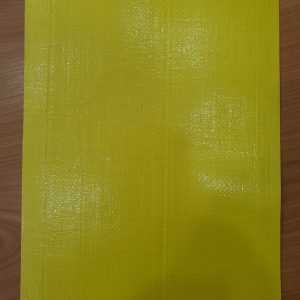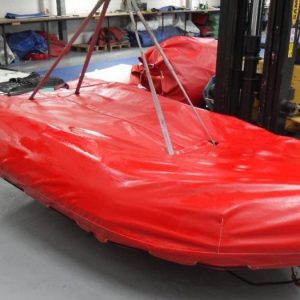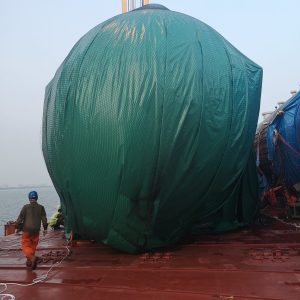

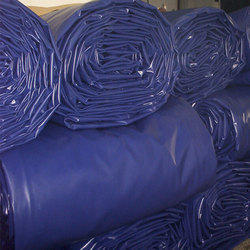
Fire Retardant Canvas
Description
A Versatile, Reusable Fire Retardant Safety Net for Modern Worksites
Our Fire Retardant Safety Net is the result of careful collaboration with scaffolding industry experts. It is more than just a mesh sheet; it is a versatile, reusable, and portable netting solution designed to provide additional protection against falling debris while supporting fire safety requirements on worksites.
- Flame Retardancy: Our safety netting is designed with flame-retardant properties to provide additional protection during hot works. When stray sparks from welding or grinding come into contact with the material, the flame-retardant properties can help reduce the risk of the net acting as a fuel source.
- Unmatched Strength: It is engineered for strength and designed to withstand demanding worksite conditions.
- Easy Installation: This lightweight net is designed for practical installation and removal, helping save time and effort on site.
- Durability: Its anti-aging and corrosion-resistant properties make it a practical and cost-effective choice for multiple uses when properly stored and maintained.
Where breathable debris screening is required without specialised fire-retardant properties, our PVC Mesh Sheet can be a practical alternative for general scaffold and façade applications.
Our Fire Retardant Safety Net is not limited to scaffolding. It can also be used across construction hoarding, façade works, shipyard work areas, industrial maintenance sites, and other projects where suitable protective netting is required.
Choose MyCanvas Connection for your Fire Retardant Safety Net requirements and create a safer working environment. Secure your project with suitable flame-retardant netting because site safety should never be compromised.
Why You Need a Fire Retardant Safety Net (Not Just a Standard Safety Net)
A standard safety net may be suitable for certain debris and protective applications. However, projects involving sparks, hot slag, welding spatter, grinding, or cutting may require materials with additional flame-retardant properties.
This is where a Fire Retardant Safety Net can provide an important additional layer of protection for suitable worksite applications, particularly where hot works are being carried out.
A fire retardant safety net can support worksite protection through:
- Flame-resistant material: Specially treated mesh designed to provide greater resistance to ignition compared to standard netting.
- Reduced flame spread: Suitable materials can help reduce the spread of flames along protective coverings when used according to their specifications.
Practical applications where specialised flame-retardant netting may be required include:
- Welding repair on external scaffolding
- Grinding and cutting works during façade refurbishment
- Shipyard and deck-level hot works
- Rail and infrastructure maintenance involving hot works
- Industrial maintenance where welding occurs at height
For general protective applications around scaffolding and elevated work areas, you can also explore our Scaffold Netting solutions.
Where Fire Retardant Safety Nets Are Used in Singapore
Our Fire Retardant Safety Net solutions can be used across different public and private sector projects where specialised safety and protective materials are required.
Common applications include:
Scaffolding & Façade Works
Fire-retardant netting can be installed around external scaffolding during façade refurbishment, painting, repair work, and other elevated applications, particularly where welding, grinding, or cutting activities may be involved.
Construction Site Hoarding & Perimeter
Site boundary netting can provide additional coverage around construction areas while helping manage debris and supporting site protection requirements.
For projects that require defined and durable site boundaries, you can also consider our Safety Fence Singapore solutions.
Shipyard Hot Works
Deck, hull, tank-top, and dry-dock work areas may require specialised protective materials during welding and other hot work activities.
MRT & Rail Infrastructure
Track works, depot maintenance, and infrastructure projects may require suitable flame-retardant materials depending on the project requirements and work activities being carried out.
Industrial Plant Maintenance & Turnarounds
Industrial maintenance environments where welding and grinding are regularly performed may require additional protective measures and suitable flame-retardant materials.
Pre-Cast & Prefabrication Yards
Fabrication workshops handling structural steel, façade panels, and prefabricated modules may require specialised safety netting for areas involving regular hot works.
For additional construction safety solutions suitable for different worksite requirements, you can also explore our Construction Safety Netting range.
How a Fire Retardant Safety Net Supports Singapore WSH & Fire Safety Compliance
A Fire Retardant Safety Net can support worksite safety requirements by providing additional protection where flame-resistant materials are specified.
Contractors, WSH personnel, and site safety managers should always consider the specific requirements of their project, work activities, and applicable safety procedures when selecting protective materials.
WSH (Work at Heights) Regulations 2013
Employers, principals, and self-employed persons must implement suitable Work-at-Height control measures. Safety netting may be used as part of an overall site safety strategy depending on the application, installation, and project requirements.
Fire Safety Requirements
Where hot works are carried out, suitable protective materials may be specified around work areas, scaffolding, coverings, and barriers as part of the project’s fire risk management procedures.
Hot Work Permits
Welding, grinding, brazing, soldering, and cutting activities may require specific site permits and protective measures. Suitable flame-retardant covers or screens may be required depending on the work environment and project procedures.
Scaffold Safety Requirements
Where a Fire Retardant Safety Net is attached to scaffolding, the installation and overall scaffold arrangement should follow applicable site safety requirements and proper inspection procedures.
For projects that require additional protection around lift interiors and construction access areas, you can also explore our Fireman Lift Protector solutions.
Why Contractors & Scaffolders Choose MyCanvas for Fire Retardant Safety Nets
In-House Singapore Factory
Our Fire Retardant Safety Net solutions are fabricated with a focus on material quality, flame-retardant properties, edge reinforcement, and practical installation requirements.
In-house production allows greater attention to product specifications and customer requirements.
For projects requiring durable protective canvas materials, you can also explore our Marine Canvas solutions.
Construction Safety Expertise
MyCanvas Connection provides safety and protective materials for different construction and project applications in Singapore.
Our range includes solutions designed for scaffolding, site protection, debris management, and specialised work environments.
Test Certificates & Compliance Support
Test certificates and relevant product documentation may be available depending on the product specifications and project requirements. Contact our team to discuss the documentation required for your project.
Standard & Custom Sizes
Different sizes may be available depending on product specifications and customer requirements. Custom dimensions can also be discussed based on scaffold layouts, façade coverage, and installation needs.
Colour-Coded Options for Site Zoning
Different colour options can help with site zoning, contractor identification, and visibility around multi-trade construction projects, depending on product availability.
Full Construction Safety Ecosystem
A Fire Retardant Safety Net can be used alongside different site protection materials depending on project requirements.
For additional protective netting options, you can also explore our Safety Net Singapore range.
How to Inspect, Install & Maintain Your Fire Retardant Safety Net
A Fire Retardant Safety Net can only perform effectively when it is correctly installed, regularly inspected, and properly maintained.
Follow these important principles:
- 1. Inspect before each deployment: Look for cuts, melt damage, broken eyelets, UV degradation, and frayed edges before installation.
- 2. Check the condition of the material: Long-term outdoor exposure, contamination, and improper cleaning may affect the condition of the netting.
- 3. Install with secure perimeter fixing: Use suitable fixing points and installation methods according to the project requirements.
- 4. Maintain appropriate protection around hot works: Even flame-retardant netting should not be treated as protection against sustained direct flames. Use suitable protective equipment and follow site safety procedures.
- 5. Keep inspection documentation: Maintain relevant inspection records according to your site’s safety procedures.
- 6. Store properly: Roll or fold the net cleanly and store it in a dry, covered area away from unnecessary exposure and contaminants.
- 7. Replace damaged materials: Inspect the net after significant exposure to heat, sparks, or other damage and replace it where necessary.
For projects requiring protection from excessive noise around construction activities, you can also consider our PVC Sound Barrier Sheet solution.
Additional Applications and Site Protection Solutions
Construction projects often require different types of protective materials depending on the work environment and activities being carried out.
A Fire Retardant Safety Net can form part of a wider site protection strategy when used together with suitable barriers, covers, and other safety materials.
For projects that require practical dust management around active work areas, you can also explore our Dust Control Netting solutions.
Reliable Protection for Different Project Requirements
Every project has different safety requirements. Factors such as the type of work, presence of hot works, installation location, environmental conditions, and required coverage should be considered when selecting a Fire Retardant Safety Net.
Choosing suitable protective materials can help create a safer and more organised environment for workers and surrounding areas.
For projects requiring protective coverage for containers, materials, or equipment, you can also explore our Open Container Top Cover solutions.
For temporary project setups and outdoor events requiring practical structures, you may also explore our Gazebo and Tentage Rental services.
Frequently Asked Questions
What is a Fire Retardant Safety Net used for?
A Fire Retardant Safety Net is a specialised protective mesh designed for applications where additional flame-resistant properties are required.
How is a Fire Retardant Safety Net different from a normal safety net?
A standard safety net is generally used for protective applications such as debris containment, while a Fire Retardant Safety Net is designed with additional flame-resistant or flame-retardant properties.
Is your Fire Retardant Safety Net suitable for Singapore worksite requirements?
Suitability depends on the specific project requirements and product specifications.
What sizes are available?
Available sizes may vary depending on product specifications and stock availability.
What colours are available?
Colour availability may vary depending on the product specification and stock.
Can I use a Fire Retardant Safety Net for welding and grinding works?
A Fire Retardant Safety Net can be suitable for certain applications involving hot works and stray sparks when used according to the product specifications.
How long does a Fire Retardant Safety Net last?
The service life depends on factors such as outdoor exposure, frequency of use, storage conditions, maintenance, and the condition of the material.
Can I get test certificates for compliance documentation?
Relevant product documentation or test certificates may be available depending on the product and specifications.
Can you supply for both small projects and bulk orders?
Yes, MyCanvas Connection can discuss supply requirements for different project sizes.